


Temporomandibular joint pain, vocal dysphonia and poor balance/proprioception
One of the main problems with resolving temporomandibular joint (TMJ) pain and vocal dysphonia is that jaw clenching and tongue tension occurs without the person realizing they are doing it during the day and at night. At night you can use a mouth guard/appliance that helps inhibit clenching. However, this is not practical during the day [...]
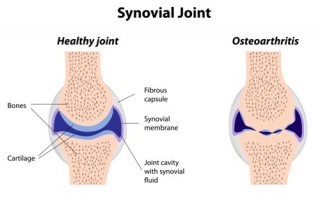
What Evidence is there for physiotherapy management of osteoarthritic knees.?
In addition to medication, the main treatments for osteoarthritic knees are weight loss, general exercise and strengthening the muscles around the knee. Joint surgery is always the last option, once you are no longer able to continue with your normal activities of daily living including walking. Other commonly used strategies include pacing your activities to [...]

Gastric Reflux and physiotherapy treatments
Gastrioesophageal reflux disease (GERD or GORD) is a common condition, especially as people get older, where small amounts of the stomach contents move upwards into the oesophagus, causing a burning sensation due to the high acidity of the stomach contents. Many people do not get symptoms, only discovering they have GERD/GORD when they have tests [...]


Pilates or Yoga, which is better for me if I have back pain?
To work out whether Pilates or yoga is better for you, we need to outline what the differences between Pilates and yoga are. There are some similarities as Pilates is partly based on yoga, in addition to gymnastics and Pilates own input and apparatus. As a brief summary, Pilates involves learning to control the spine [...]

Home/Nursing Home Visits & stroke rehabilitation in Edinburgh
Sometimes it is necessary for physiotherapy to be provided in the home or nursing home and this is a service provided by e-physiotherapy. Lack of mobility is one of the main reasons for requiring a home visit and we can help with getting mobility back whether it is due to low back pain, a stroke, [...]






Asthma or Exercise Inducted Laryngeal Obstruction (EILO)?
If you have difficulties breathing when exercising, you may have been diagnosed with asthma. There is a lesser known cause of breathing difficulties when exercising and it is called Exercise Inducted Laryngeal Obstruction (EILO). It used to be called Paradoxical Vocal Fold Motion. The symptoms are only present with more intense exercise, near your maximum [...]